3 Month Baby Milestones: Your Complete Development Guide
# 3 Month Baby Milestones: Your Complete Development Guide
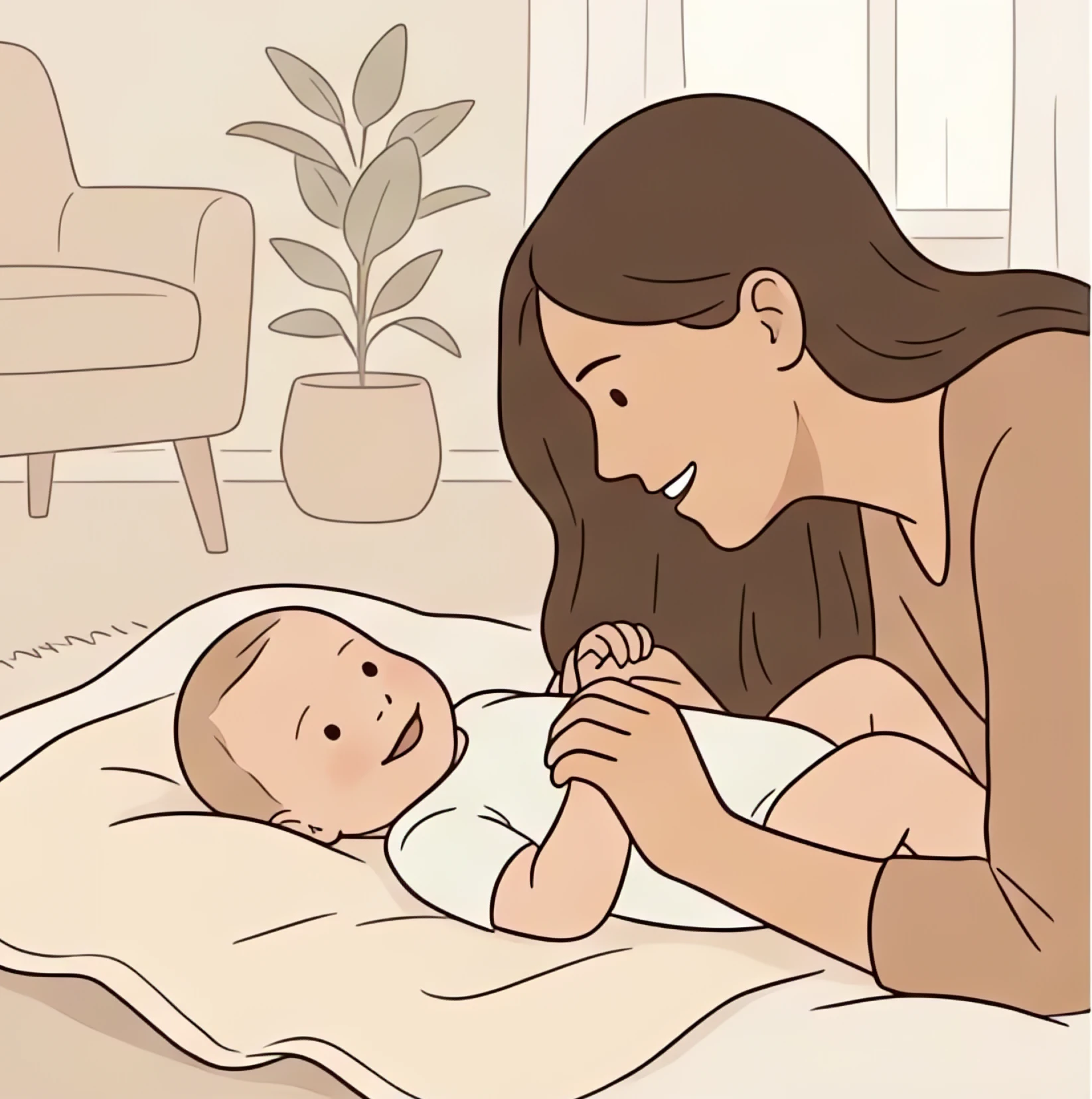
Your 3 month old baby is about to blow your mind. Gone are the sleepy newborn days -- your little one is becoming alert, social, and downright charming. This is when babies start showing their personality, sleeping for longer stretches, and giving you those heart-melting social smiles.
At 3 months, babies hit major developmental milestones that make parenting feel less like survival mode and more like actual fun. You'll see stronger neck control, purposeful movements, and the beginning of real communication through coos and babbles.
Key Takeaways
• Most 3 month babies sleep 4-6 hour stretches and need 3-4 naps daily
• Social smiles, cooing, and eye tracking are major milestones to expect
• Tummy time becomes more enjoyable as neck strength improves
• Sleep patterns start consolidating into more predictable rhythms
• Feeding becomes more efficient, with longer intervals between sessions
Physical Development at 3 Months
Head and Neck Control
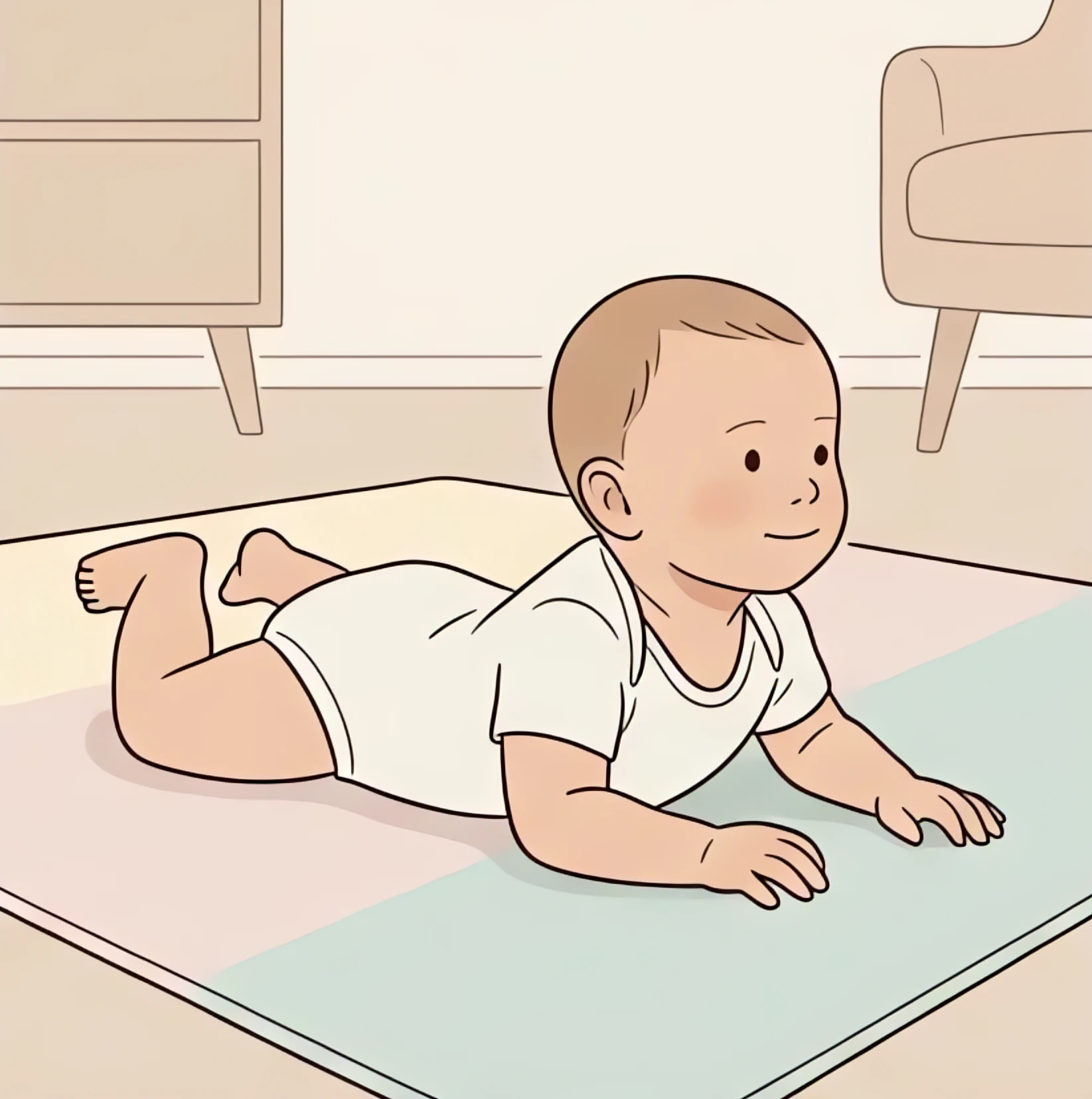
Your 3 month baby's neck muscles are getting stronger by the day. When you pull them to sitting, their head won't flop backward like it did at 6 weeks. During tummy time, they can lift their head 45 to 90 degrees and hold it steady for several seconds.
"Emma's daughter Maya went from hating tummy time to actually enjoying it right around 12 weeks," says pediatric physical therapist Dr. Sarah Chen. "That head control makes all the difference in how babies experience their world."
Watch for these physical milestones:
- Lifting head and chest during tummy time
- Holding head steady when upright
- Beginning to bear weight on forearms
- Opening and closing hands more deliberately
Motor Skills Development
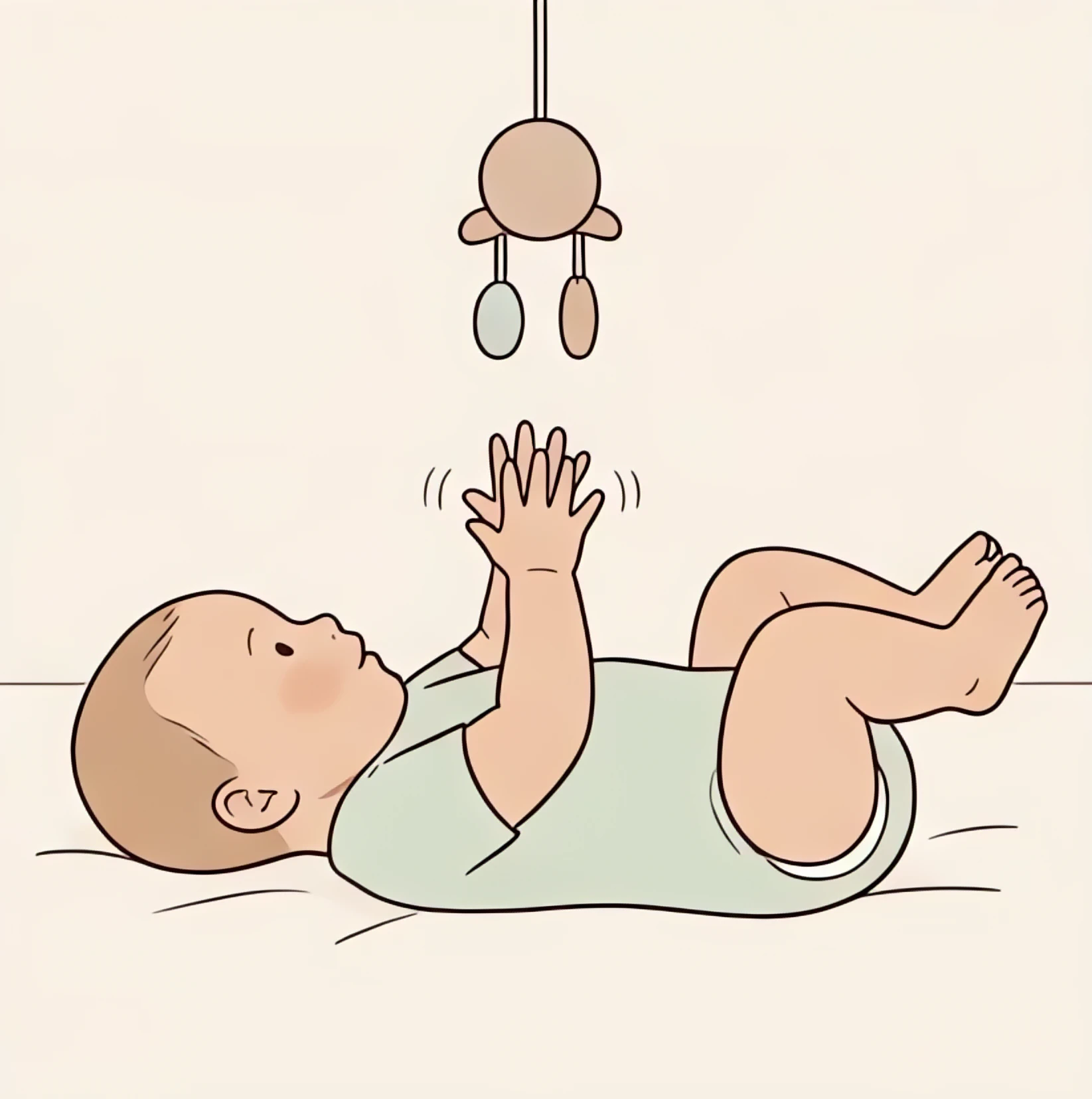
At 3 months, your baby's movements become less jerky and more controlled. The startle reflex starts fading, replaced by smoother arm and leg movements. They'll start bringing hands to their mouth intentionally -- not just by accident.
According to AAP developmental milestone guidance, babies develop hand-eye coordination rapidly between 2-4 months, with significant improvements in reaching accuracy.
Your baby might also start:
- Batting at dangling toys
- Grasping objects placed in their hand
- Bringing both hands together at midline
- Kicking legs with more purpose
Cognitive and Social Milestones
The Magic of Social Smiles
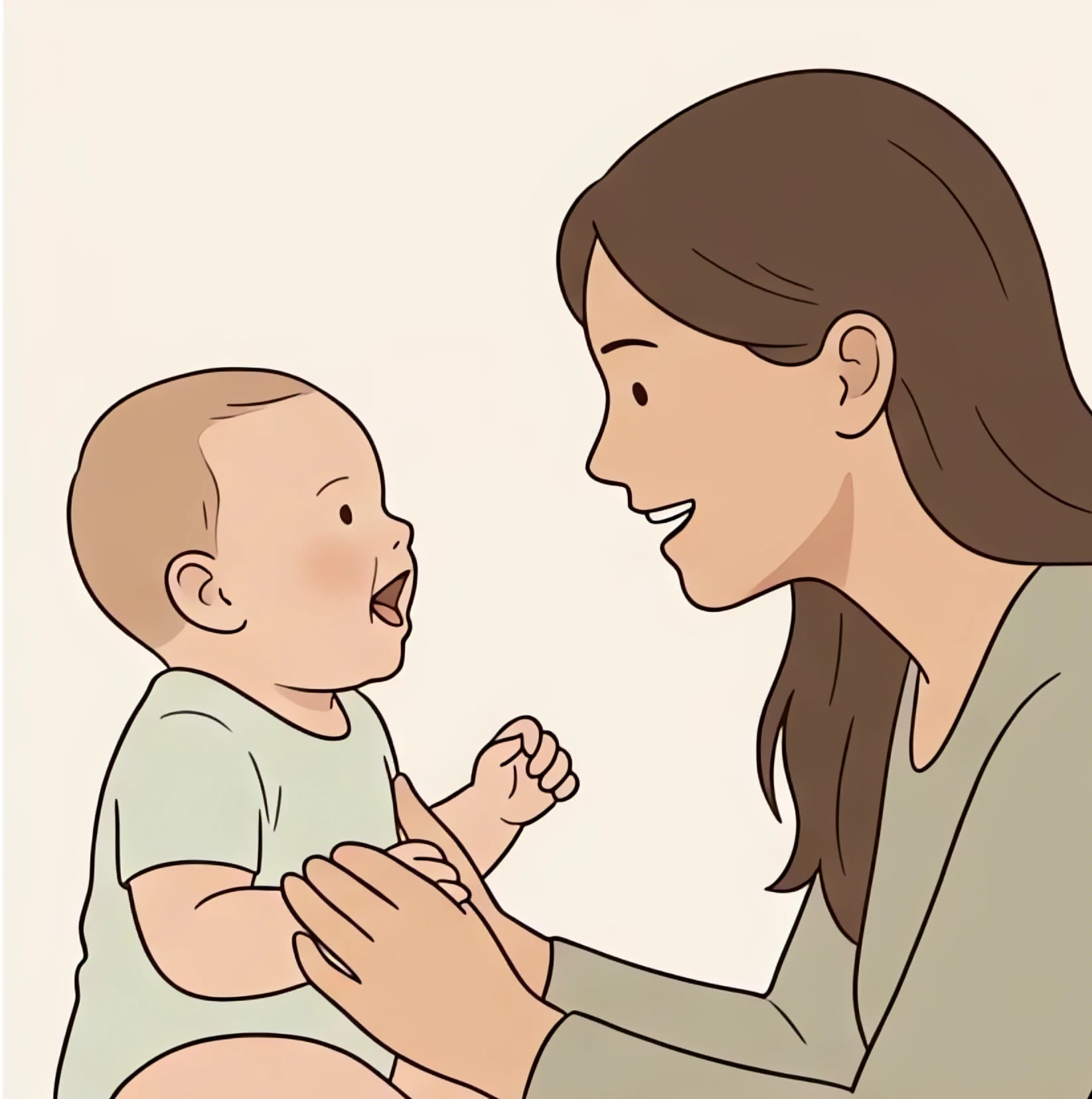
This is the milestone every parent waits for -- real, intentional social smiles. Unlike those early reflex smiles, your 3 month baby now smiles *at* you, not just because of gas or random muscle movements.
"The first time Marcus smiled back at me during our morning routine, I literally cried happy tears," says first-time mom Jessica from Portland. "It felt like he was finally saying hello back."
Social smiling typically appears between 6-12 weeks, but becomes much more consistent by 3 months. Your baby will smile in response to:
- Your voice and face
- Familiar caregivers
- Pleasant interactions like peek-a-boo
- Gentle tickling or playful sounds
Early Communication Skills
Your 3 month baby is becoming a little conversationalist. They'll start cooing, gurgling, and making vowel sounds like "ooh" and "ahh." This is their first attempt at real communication beyond crying.
The American Academy of Pediatrics notes that babies this age should respond to familiar voices and may even try to "talk back" during conversations.
Look for these communication milestones:
- Cooing and gurgling sounds
- Responding to your voice with vocalizations
- Making different cries for different needs
- Quieting when spoken to in a soothing voice
Sleep Patterns and Changes
Longer Sleep Stretches
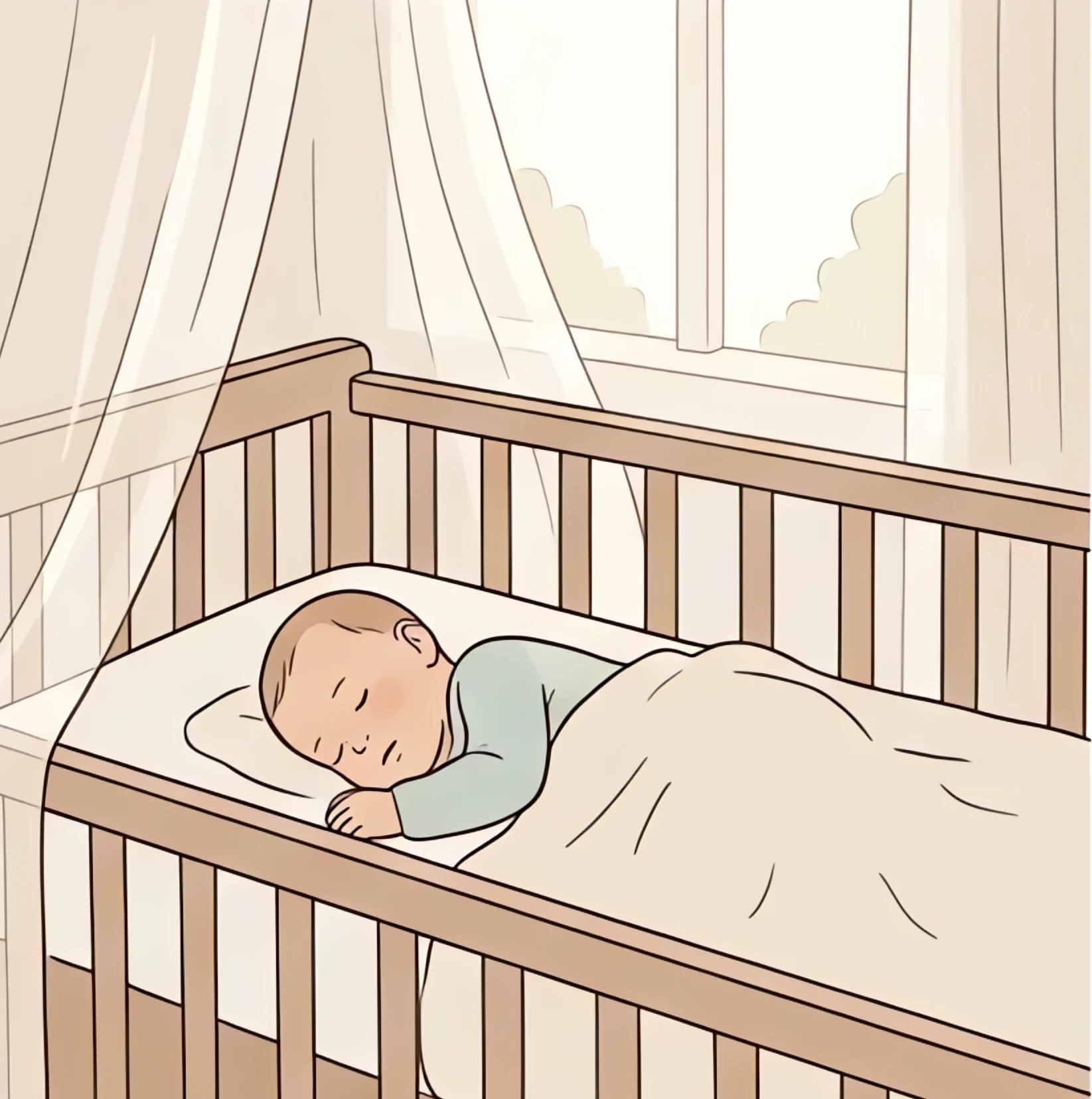
Here's the news every sleep-deprived parent wants to hear: most 3 month babies can sleep for 4-6 hour stretches at night. Their circadian rhythms are maturing, and they're starting to understand the difference between day and night.
According to sleep research from the National Sleep Foundation, 3-month-old babies typically need:
- 14-17 hours of total sleep per day
- 3-4 naps during the day
- One longer nighttime sleep stretch of 4-6 hours
Nap Patterns Becoming Predictable
While newborn sleep seemed random, your 3 month baby's naps are starting to fall into loose patterns. You might notice they get sleepy around the same times each day, making it easier to plan outings and daily activities.
Most 3 month babies do well with:
- Morning nap around 9-10 AM
- Afternoon nap around 1-2 PM
- Early evening catnap around 4-5 PM
- Bedtime between 7-8 PM
Trying to spot these patterns in your own baby's schedule? Nurture's AI pattern recognition can help you identify emerging sleep rhythms and predict when naps are likely to happen next.
Feeding Development at 3 Months
More Efficient Eating
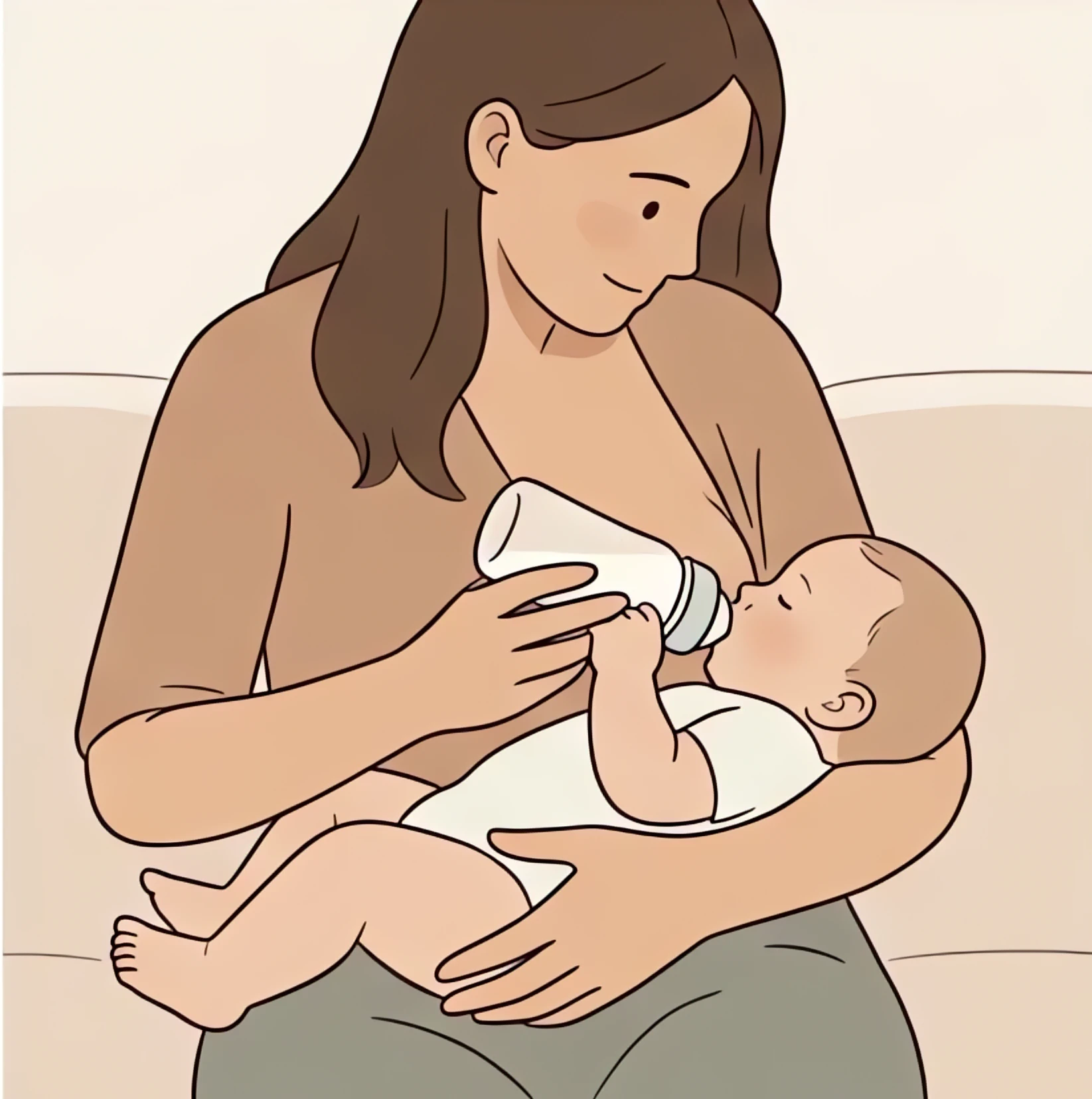
Feeding becomes noticeably more efficient around 3 months. Whether breastfeeding or bottle-feeding, your baby has figured out how to eat more effectively, which means shorter feeding sessions and longer gaps between meals.
For breastfed babies, this often means:
- Feeding every 2-3 hours instead of every 1-2 hours
- Nursing sessions lasting 15-20 minutes instead of 30-45 minutes
- Less frequent cluster feeding episodes
Bottle-fed babies typically:
- Take 4-6 ounces per feeding
- Feed every 3-4 hours
- Show clearer hunger and fullness cues
Growth Spurts and Appetite Changes
Don't be surprised if your 3 month baby suddenly wants to eat constantly for a few days. Growth spurts are common around 3 months, and they can temporarily disrupt your newly established feeding routine.
During growth spurts, babies might:
- Want to feed more frequently
- Seem unsatisfied after normal feeding amounts
- Be more fussy than usual
- Sleep more or less than their typical pattern
These spurts usually last 2-3 days and then feeding patterns return to normal.
Playtime and Stimulation
Tummy Time Gets Better
If tummy time felt like torture in the early weeks, you're in for a pleasant surprise. Most 3 month babies start tolerating and even enjoying tummy time as their neck strength improves.
"Oliver went from screaming the moment I put him on his belly to actually playing happily for 10-15 minutes," says dad Tom from Chicago. "It was like a switch flipped at exactly 12 weeks."
To make tummy time more engaging:
- Place colorful toys just out of reach
- Get down on floor level and make faces
- Use a tummy time pillow for extra support
- Try tummy time on your chest for bonding
Visual Development
Your 3 month baby's vision is getting sharper. They can now see objects 8-12 inches away clearly and track moving objects with their eyes. This makes interactive play much more rewarding for both of you.
Try these visual stimulation activities:
- Show high-contrast books with bold patterns
- Move toys slowly from side to side for tracking
- Make exaggerated facial expressions
- Use a baby-safe mirror during tummy time
When to Contact Your Pediatrician
While every baby develops at their own pace, certain milestones serve as important checkpoints. The Centers for Disease Control recommends contacting your pediatrician if your 3 month baby isn't:
- Lifting their head during tummy time
- Following objects with their eyes
- Smiling at people
- Making cooing or gurgling sounds
- Bringing hands to mouth
- Showing interest in faces
Remember, some babies hit milestones a few weeks early or late -- especially if they were born prematurely. Your pediatrician can help determine if your baby's development is on track.
Supporting Your 3 Month Baby's Development
Creating a Stimulating Environment
Your 3 month baby is ready for more interaction and stimulation. Simple changes to their environment can support healthy development:
- Hang a mobile with contrasting colors over their crib
- Play different types of music during awake times
- Read simple board books with large pictures
- Provide different textures for them to feel
Building Routine Without Rigidity
While 3 month babies thrive on routine, flexibility is still key. Look for your baby's natural patterns and build loose routines around them rather than imposing strict schedules.
A gentle routine might look like:
- Morning feeding and playtime
- First nap when sleepy cues appear
- Afternoon feeding and tummy time
- Second nap
- Evening bath and bedtime routine
Tracking these patterns can help you identify what works best for your unique baby and adjust as they grow.
Common 3 Month Baby Challenges
Sleep Regression Confusion
Some parents notice temporary sleep disruptions around 3-4 months as sleep patterns mature. This isn't technically a regression -- it's actually development. Your baby's sleep cycles are becoming more adult-like, which can temporarily disrupt their rest.
Signs of sleep pattern changes:
- More frequent night wakings after sleeping longer stretches
- Shorter naps than usual
- Increased fussiness at bedtime
- Taking longer to fall asleep
These changes usually resolve within 2-3 weeks as your baby adjusts to their maturing sleep cycles.
Increased Crying and Fussiness
Paradoxically, some babies become more fussy around 3 months even though they're more alert and social. This often happens because they're more aware of their environment but still can't control much of what happens to them.
Help manage increased fussiness by:
- Maintaining consistent routines
- Providing plenty of comfort and soothing
- Ensuring adequate daytime sleep
- Offering age-appropriate stimulation without overstimulation
Looking Ahead: What Comes Next
Your 3 month baby is just getting started with their amazing development journey. In the coming months, you can look forward to:
- Rolling from tummy to back (4-5 months)
- Sitting with support (4-6 months)
- Reaching for and grasping toys intentionally (4-5 months)
- Laughing out loud (4-5 months)
- Beginning to show stranger awareness (6-8 months)
The foundation your baby is building now -- stronger muscles, better vision, social awareness -- sets the stage for all these exciting milestones ahead.
Embracing This Sweet Spot
The 3 month mark often feels like a turning point for parents. Your baby is more interactive and predictable, but still cuddly and portable. Sleep is improving but not perfect. Feeding is easier but growth spurts still happen.
"Three months felt like we finally found our rhythm," reflects mom Sarah from Denver. "Lily was becoming this little person with preferences and personality, but she was still my snuggly baby."
This is a time to celebrate small victories -- that first intentional smile, a successful tummy time session, or a four-hour stretch of sleep. These moments might seem small, but they represent huge developmental leaps for your growing baby.
Every baby develops at their own pace, and comparing your 3 month old to others rarely helps. Focus on your baby's individual progress and enjoy this special phase of increasing interaction and emerging personality.
Your 3 month baby is becoming more themselves every day -- and you're becoming more confident as their parent. Trust your instincts, celebrate the milestones, and remember that the best measure of your baby's development isn't a checklist -- it's their individual growth and your growing bond together.