5 Month Milestones: Your Baby's Development Guide
# 5 Month Milestones: Your Baby's Development Guide
At 5 months, your baby is hitting exciting developmental milestones that mark their journey from newborn to interactive little person. These 5 month milestones include improved head control, beginning social engagement, and the early stages of intentional movement.
Key Takeaways
- Motor skills: Most 5-month-olds can hold their head steady and may start rolling from tummy to back
- Social development: Expect more smiles, babbling, and recognition of familiar faces
- Cognitive growth: Your baby begins to show curiosity about objects and may reach for toys
- Sleep patterns: Many babies start developing more predictable sleep schedules around this age
- Individual variation: Every baby develops at their own pace -- these are general guidelines, not requirements
Development happens in waves, not straight lines. Some babies master physical skills early while others focus on social connection first. What matters most is that you're seeing progress over time, not checking boxes on a specific timeline.
Physical Development at 5 Months
Head and Neck Control
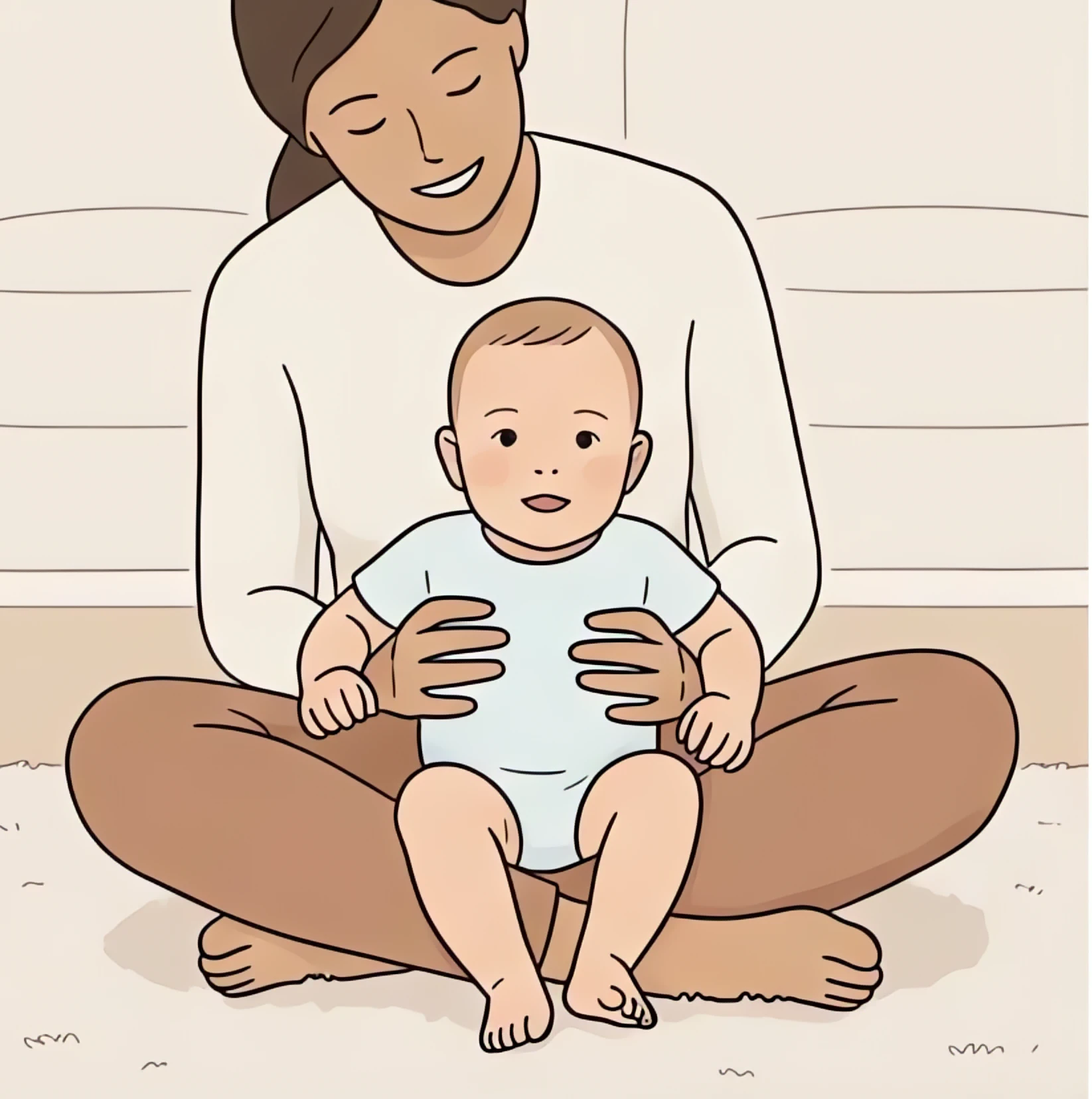
By 5 months, most babies have developed strong enough neck muscles to hold their head steady when sitting with support. When you pull your baby to sitting from lying down, they should be able to keep their head in line with their body instead of it flopping backward.
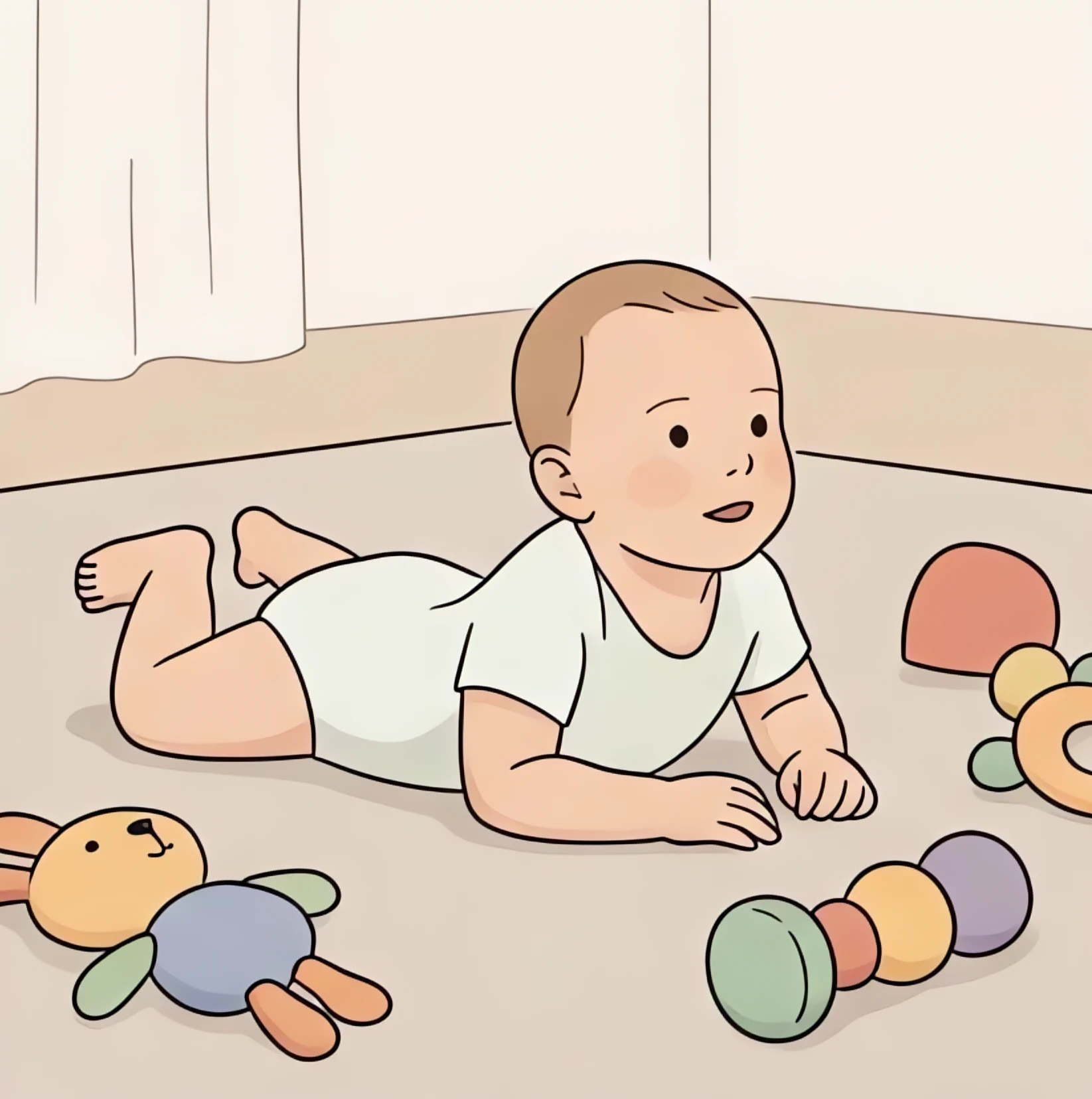
During tummy time, your 5-month-old likely pushes up on their forearms and lifts their head and chest off the ground. This "mini push-up" position helps strengthen the muscles they'll need for crawling later. Some babies at this age can even push up on straight arms briefly.
Rolling and Movement
Rolling typically emerges around this time, though the timeline varies widely. Many babies first roll from tummy to back (which is easier) before mastering back to tummy. Don't worry if your baby hasn't rolled yet -- some skip rolling entirely and go straight to sitting or crawling.
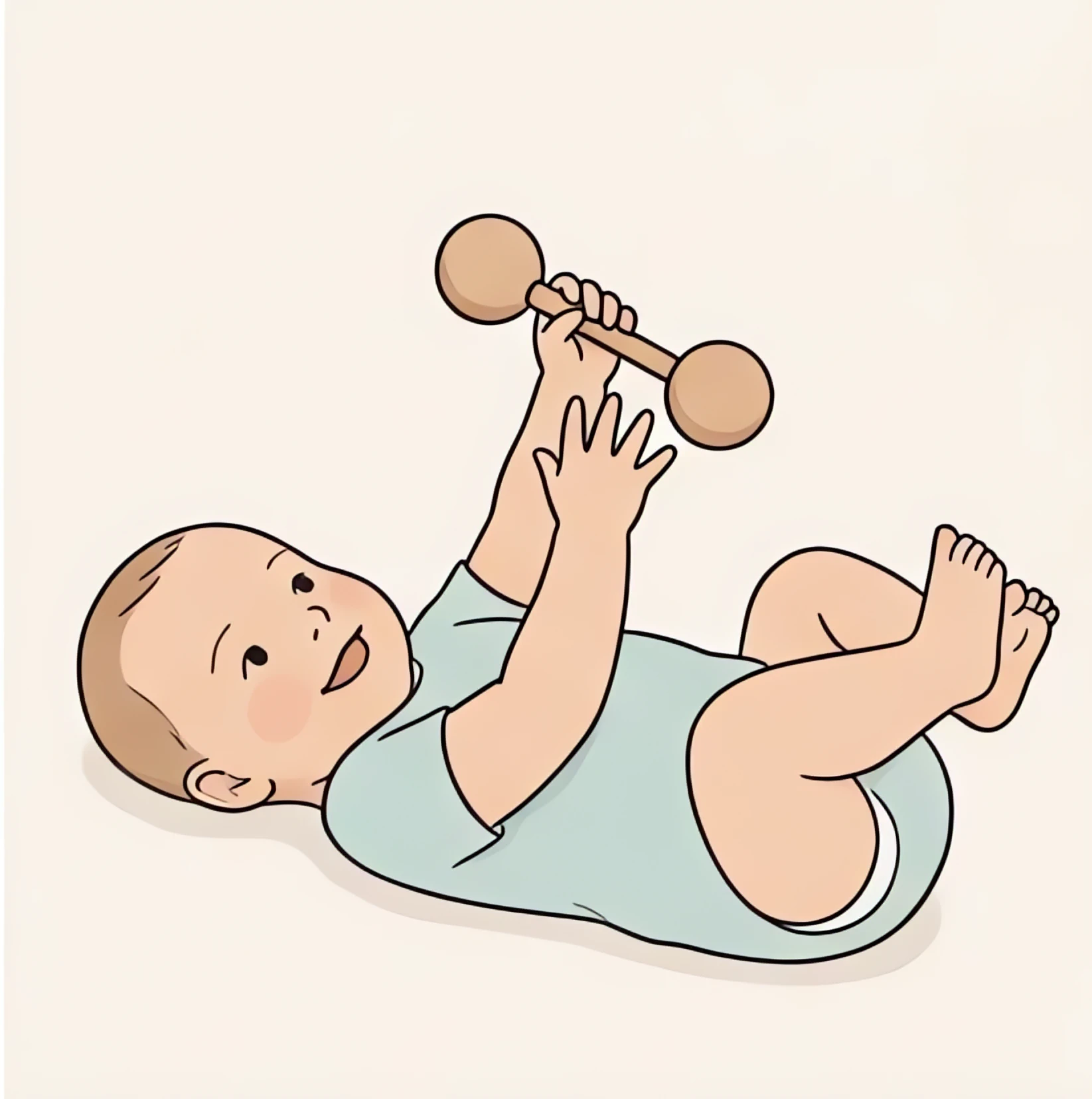
When lying on their back, your 5-month-old probably brings their feet to their mouth and grabs their toes. This "happy baby" position shows developing flexibility and body awareness. They're also likely bringing both hands together at the midline of their body and transferring toys from hand to hand.
Reaching and Grasping
Reaching becomes more intentional around 5 months. Instead of accidentally batting at objects, your baby now reaches with purpose toward toys or your face. Their grasp is still palmer (using the whole palm) rather than the pincer grip that develops later.
Your baby might start "raking" at small objects with their whole hand, trying to bring them closer. They're also beginning to hold objects for longer periods and may bang toys together, creating their first intentional sounds.
Cognitive and Communication Milestones
Early Speech Development
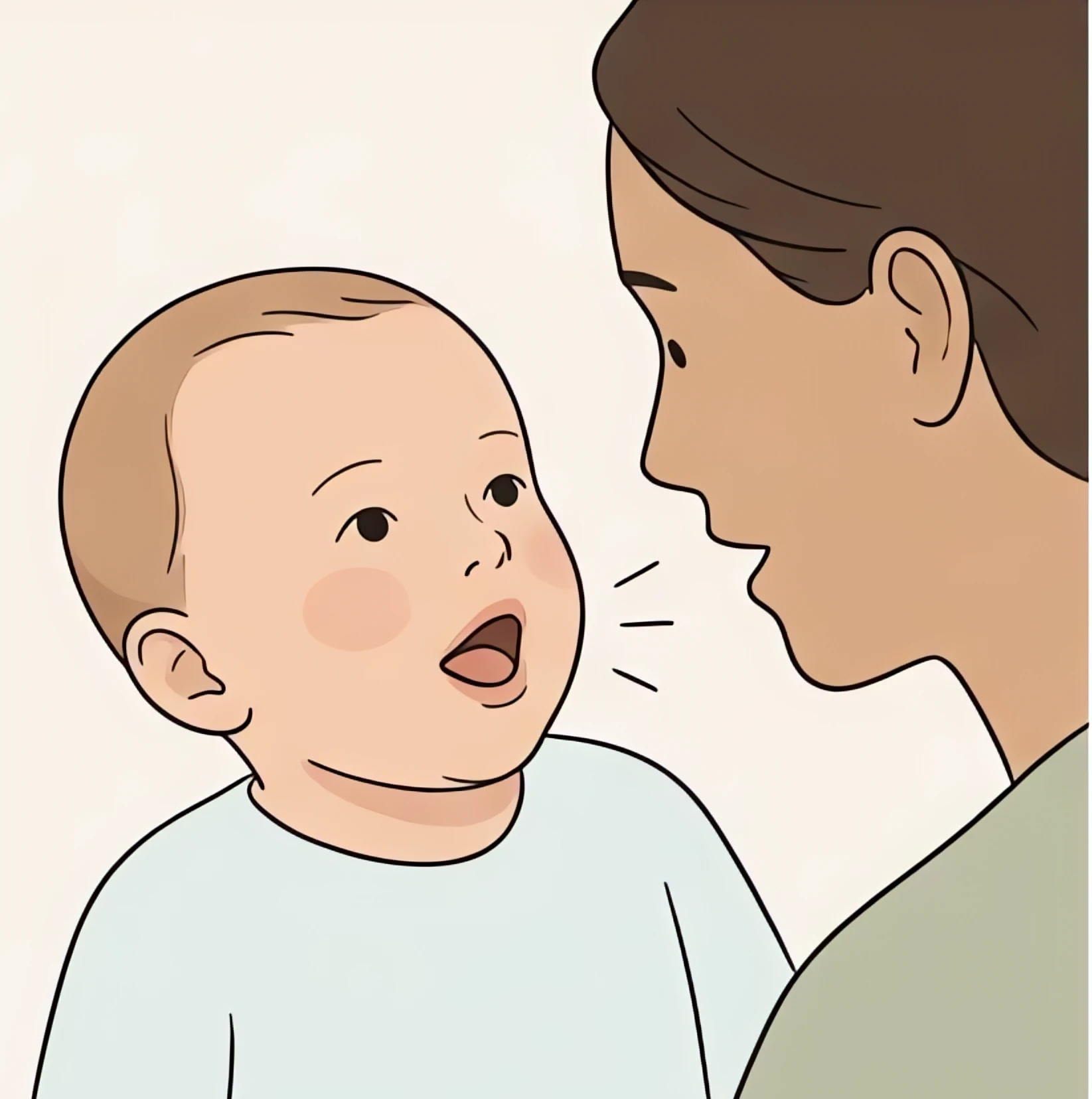
While 5 month milestones speech patterns are still basic, this is when many babies start experimenting with different sounds. You might hear more vowel sounds like "ooh" and "ahh," and some babies begin making consonant-vowel combinations like "ba-ba" or "ma-ma" -- though they don't understand the meaning yet.
Babbling typically becomes more frequent around this age. Your baby might have "conversations" with you, taking turns making sounds when you pause. This back-and-forth interaction is an important precursor to actual language development.
According to the American Speech-Language-Hearing Association, babies this age should respond to their name and show awareness of familiar voices, even if they can't see the speaker.
Social Awareness
Five-month-olds typically show clear preferences for familiar people over strangers. Your baby probably lights up when they see you enter a room and may become fussy with unfamiliar caregivers. This stranger awareness is completely normal and shows healthy attachment development.
Smiling becomes more social and intentional. Your baby likely smiles in response to your voice or touch, not just when they're comfortable. Many babies this age also start laughing out loud -- often triggered by silly faces, peek-a-boo games, or gentle tickling.
Object Permanence Beginnings
While true object permanence doesn't develop until around 8-12 months, 5-month-olds start showing early signs of understanding that objects exist even when partially hidden. Your baby might look for a toy that falls out of view or continue reaching toward where a toy was even after you move it.
Sleep Patterns and Feeding Changes
Sleep Development
Many parents notice sleep patterns becoming more predictable around 5 months. Total sleep needs remain around 14-15 hours per day, but the distribution often shifts toward longer nighttime stretches with fewer but longer daytime naps.
Some babies naturally start sleeping through the night around this age, though others won't for several more months. Night wakings can actually increase temporarily as babies become more aware of their surroundings and develop separation anxiety.
Feeding Milestones
Whether breastfeeding or bottle-feeding, 5-month-olds typically take larger volumes less frequently than newborns. Feeding sessions might be shorter but more efficient as babies become skilled at nursing or taking bottles.
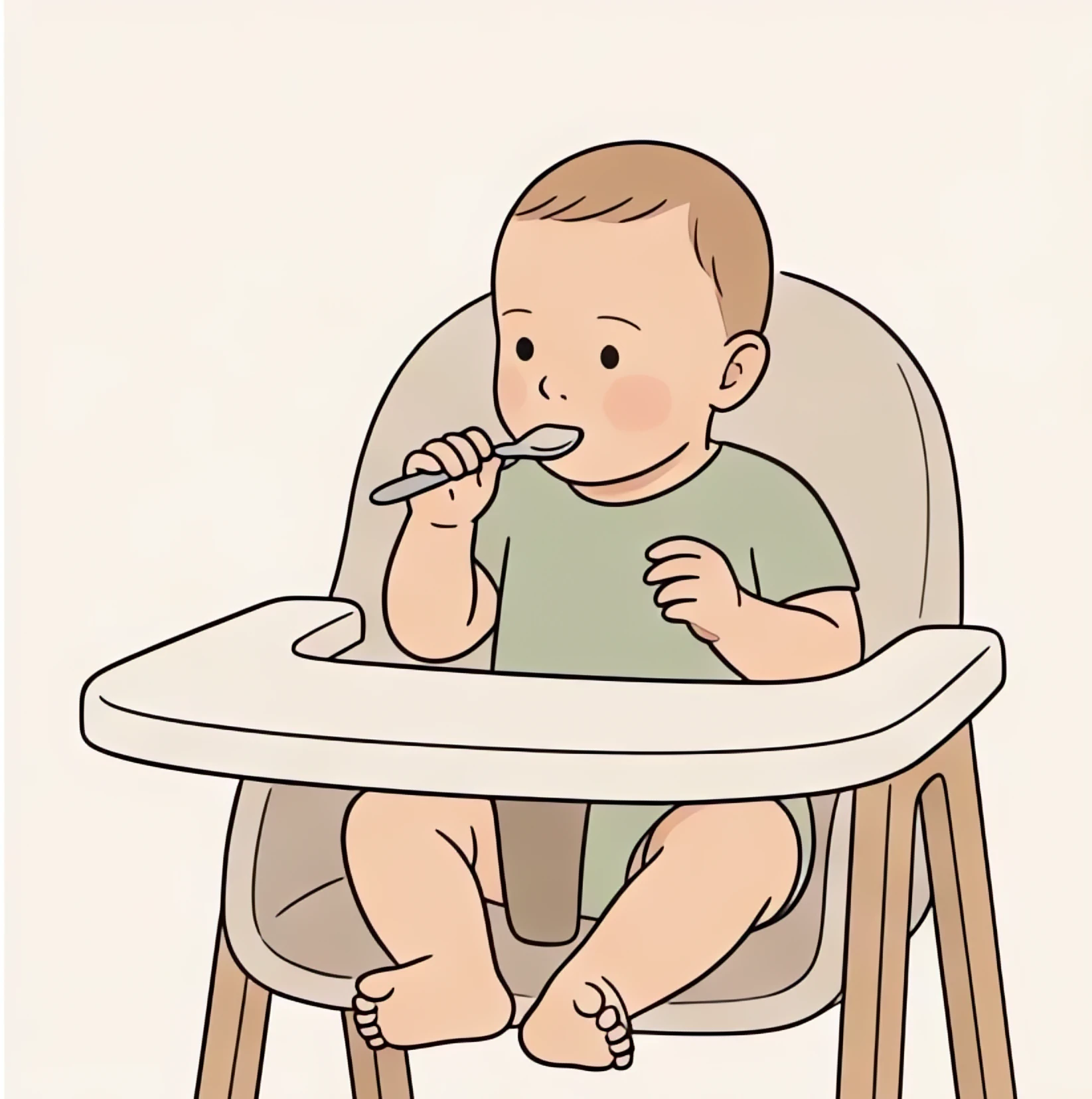
Some pediatricians recommend waiting until 6 months to start solids, while others give the green light around 4-5 months if babies show readiness signs. These include sitting with minimal support, showing interest in food, and losing the tongue-thrust reflex that pushes food out of their mouth.
If you're considering starting solids, tools like Nurture's feeding tracker can help you monitor your baby's intake and identify patterns as you introduce new foods.

When to Contact Your Pediatrician
While development varies significantly between babies, certain signs warrant a conversation with your healthcare provider. The CDC's developmental milestone guidelines suggest checking in if your 5-month-old:
- Cannot hold their head steady when sitting with support
- Shows no interest in reaching for objects
- Doesn't smile socially or make eye contact
- Seems very stiff or very floppy when you pick them up
- Cannot bear any weight on their legs when you hold them upright
- Has lost skills they previously had
Trust your instincts as a parent. If something feels off, even if you can't pinpoint exactly what, it's worth discussing with your pediatrician. Early intervention, when needed, is most effective when started early.
Supporting Your 5-Month-Old's Development
Creating Learning Opportunities
Your daily interactions are the best developmental activities for your 5-month-old. Simple games like peek-a-boo support cognitive development, while tummy time strengthens core muscles needed for future milestones.
Reading together introduces language patterns and helps with visual tracking as your baby follows pictures on the page. Choose board books with high contrast images or simple photographs of babies' faces, which are particularly engaging at this age.
Safe Exploration
As your baby becomes more mobile, childproofing becomes increasingly important. Even if your baby isn't rolling yet, they might surprise you with a sudden new skill. Ensure sleep areas are safe and clear of loose bedding, pillows, or toys.
Offer a variety of safe objects for exploration -- different textures, shapes, and sizes help develop sensory awareness and hand-eye coordination. Silicone teething toys, crinkly fabric books, and wooden rattles provide different sensory experiences.
Managing Sleep Changes
If your baby's sleep patterns are shifting, maintaining consistent routines helps support healthy sleep development. Many families find that tracking sleep patterns helps them identify what works best for their individual baby.
Appproaches like gentle sleep training methods can be introduced around this age if families choose, though it's not necessary for all babies. What matters most is that both baby and parents are getting enough rest to function well.
Looking Ahead: 6 Month Old Milestones and Beyond
The next few months bring exciting changes. 6 month old milestones typically include sitting without support, transferring objects between hands more deliberately, and possibly the introduction of solid foods.
7 month milestones often feature increased mobility -- some babies start crawling or scooting, while others focus on perfecting their sitting balance. Social games become more interactive as babies understand cause and effect relationships.
By 9 month old milestones, many babies are mobile through crawling, pulling to stand, or cruising along furniture. Language development accelerates, with more intentional babbling and possibly first words emerging.
The Importance of Individual Timelines
Emma's mom, Sarah, worried when her 5-month-old hadn't rolled yet while her friend's baby of the same age was already sitting independently. At their next pediatric visit, Sarah learned that Emma was ahead in language development -- she was babbling complex sound combinations that typically emerge closer to 6 months.
"Development isn't a race," Emma's pediatrician explained. "Babies often focus their energy on mastering one area before moving to another. Emma is clearly working hard on communication skills right now."
Sure enough, Emma rolled for the first time two weeks later, then quickly progressed to sitting with support. Her early language skills continued to shine -- she was one of the first babies in her playgroup to say recognizable words.
This story illustrates why rigid milestone timelines can cause unnecessary stress. The American Academy of Pediatrics emphasizes that milestone ranges exist for a reason -- normal development spans several weeks or even months for any given skill.
Building Confidence as a Parent
Monitoring your baby's progress doesn't have to create anxiety. Many parents find that keeping simple records of new skills helps them celebrate small victories and provides useful information for pediatric visits.
Technology can support this process without overwhelming it. Apps like Nurture help parents track developmental patterns alongside daily care routines, creating a comprehensive picture of their baby's unique growth trajectory.
Remember that your baby is working hard every day to master new skills. Some developments happen gradually over weeks, while others seem to emerge overnight. Both patterns are completely normal.
Creating a Supportive Environment
Your 5-month-old benefits most from responsive, loving interactions with familiar caregivers. While structured activities can be fun, your baby learns just as much from everyday moments -- diaper changes, feeding times, and simple conversations throughout the day.
Consistency in routines helps babies feel secure and supports healthy development. This doesn't mean rigid scheduling, but rather predictable patterns that help your baby understand what comes next in their day.
If you're feeling overwhelmed by milestone tracking or unsure about your baby's progress, reach out for support. Your pediatrician, local parenting groups, or even other parents in your circle can provide reassurance and practical guidance.
Every baby's developmental journey is unique. Your 5-month-old is exactly where they need to be, learning and growing at their own perfect pace. Trust in your baby's natural development process while staying alert to their changing needs and celebrating each new accomplishment along the way.
Tool like pattern recognition can help you understand your baby's unique rhythm and support their individual developmental timeline with confidence rather than anxiety.