6 Month Old Milestones: Complete Development Guide for Parents
# 6 Month Old Milestones: Complete Development Guide for Parents
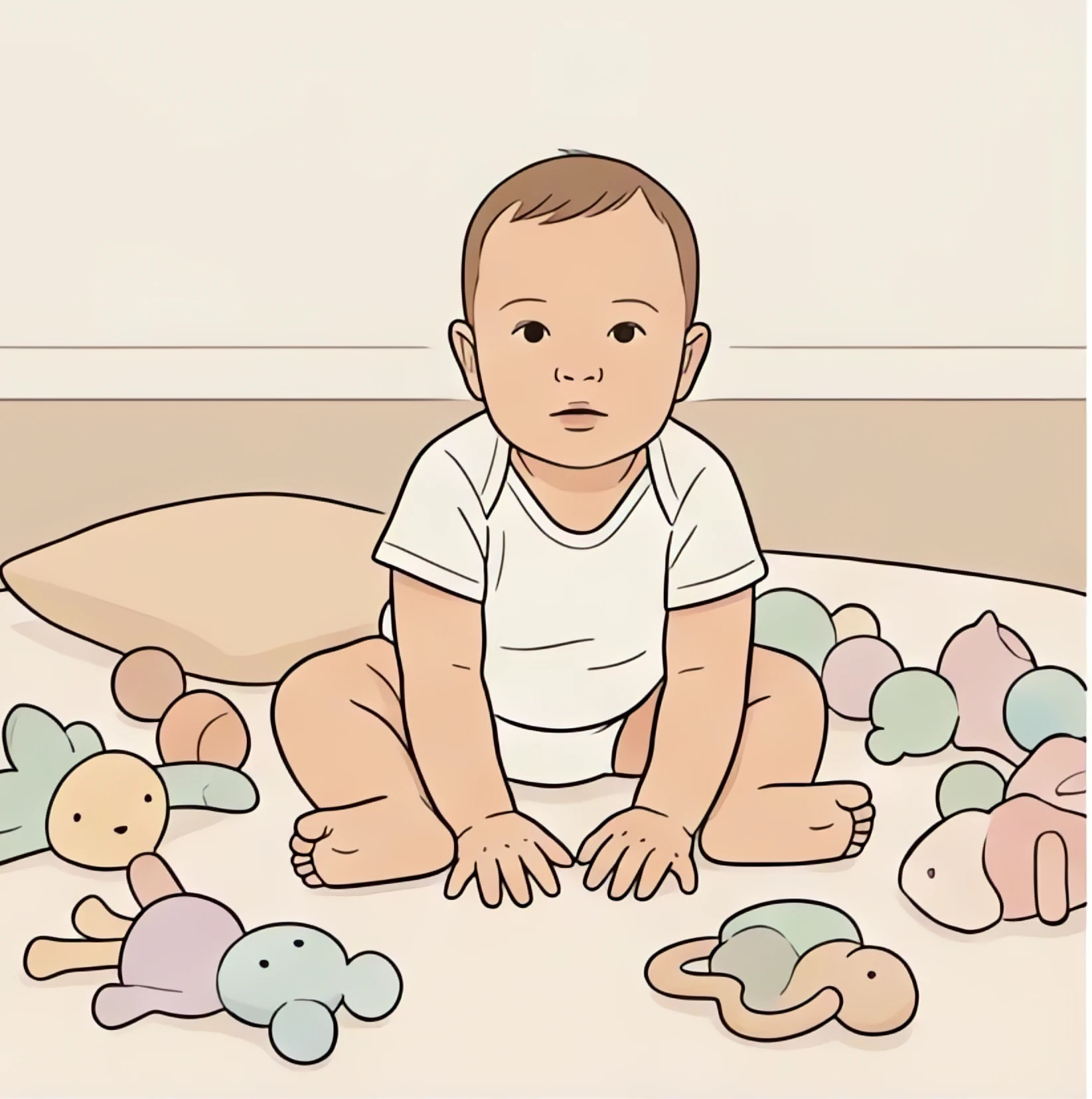
By six months, your baby has transformed from a sleepy newborn into an alert, social little person who's eager to explore the world. This half-year mark brings exciting 6 month old milestones that signal healthy development across physical, cognitive, and social domains. Your baby is likely sitting with support, reaching for toys with purpose, and maybe even showing the first signs of stranger awareness.
Every baby develops at their own pace, but knowing what to look for helps you celebrate achievements and spot any areas where extra support might help. The milestones at six months set the stage for the rapid changes coming in the second half of your baby's first year.
Key Takeaways
- Most 6-month-olds can sit with support and bear weight on their legs when held upright
- Babies typically double their birth weight by 6 months and show interest in solid foods
- Social milestones include recognizing familiar faces and beginning to show stranger awareness
- Speech development involves babbling with consonant-vowel combinations like "ba-ba" or "da-da"
- Red flags include lack of head control, no social smiling, or inability to bear weight on legs
Physical Development Milestones at 6 Months
Motor Skills and Movement
At six months, your baby's physical capabilities expand dramatically. Most babies can now sit with support -- propping themselves up with their hands when placed in a sitting position, though they'll topple over without back support. This milestone typically emerges between 4-7 months, so don't worry if your baby isn't quite there yet.
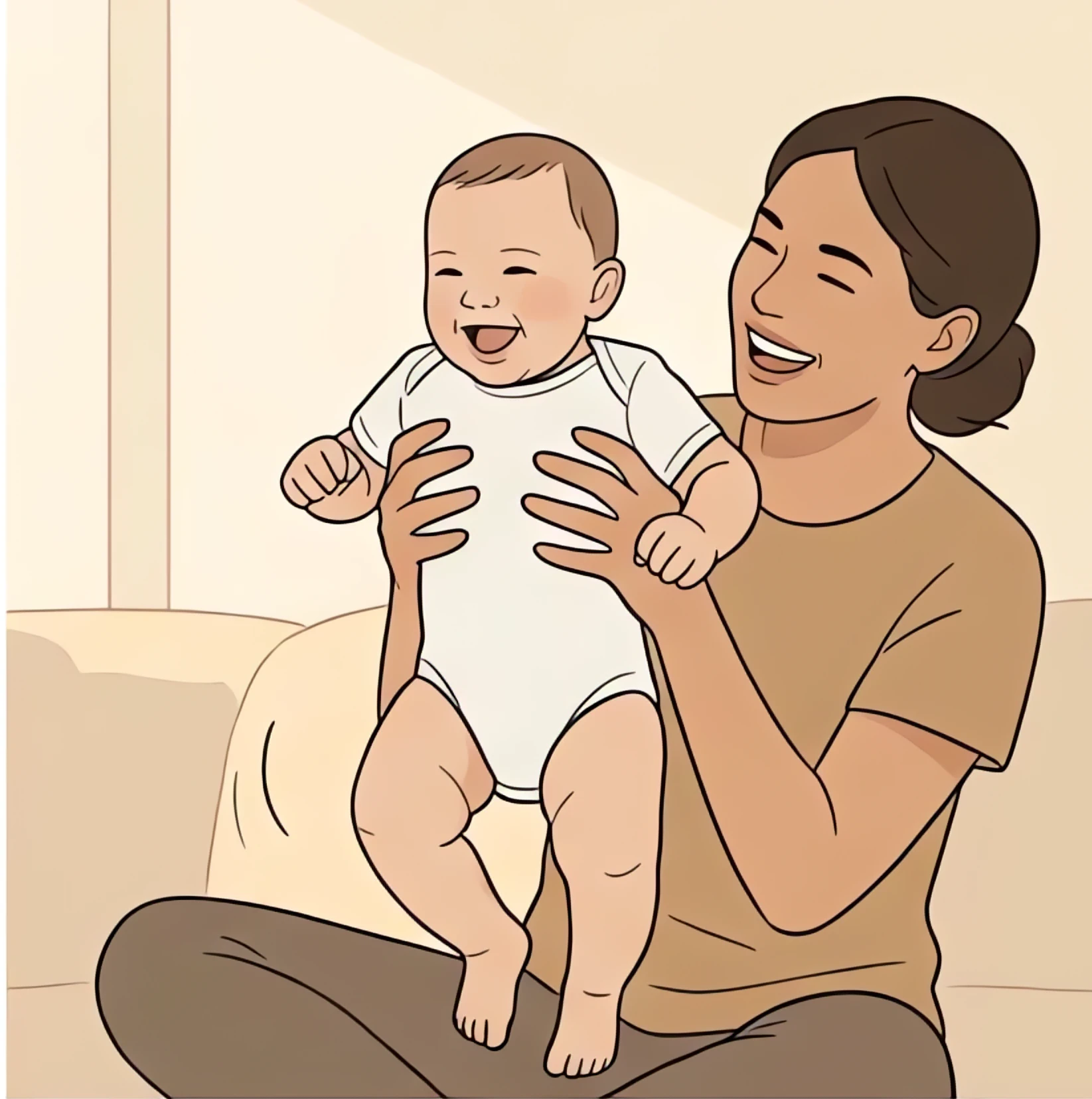
When you hold your baby upright on your lap, they should be able to bear weight on their legs and bounce enthusiastically. Emma, a mother from Portland, describes her daughter Maya at this stage: "She would bounce on my lap for minutes at a time, giggling and trying to launch herself upward. It was like she suddenly discovered her legs could be fun."
Rolling both ways becomes more consistent around six months. While many babies start rolling from tummy to back around 4 months, rolling from back to tummy often happens closer to 6 months. Some babies master this so well that diaper changes become wrestling matches.
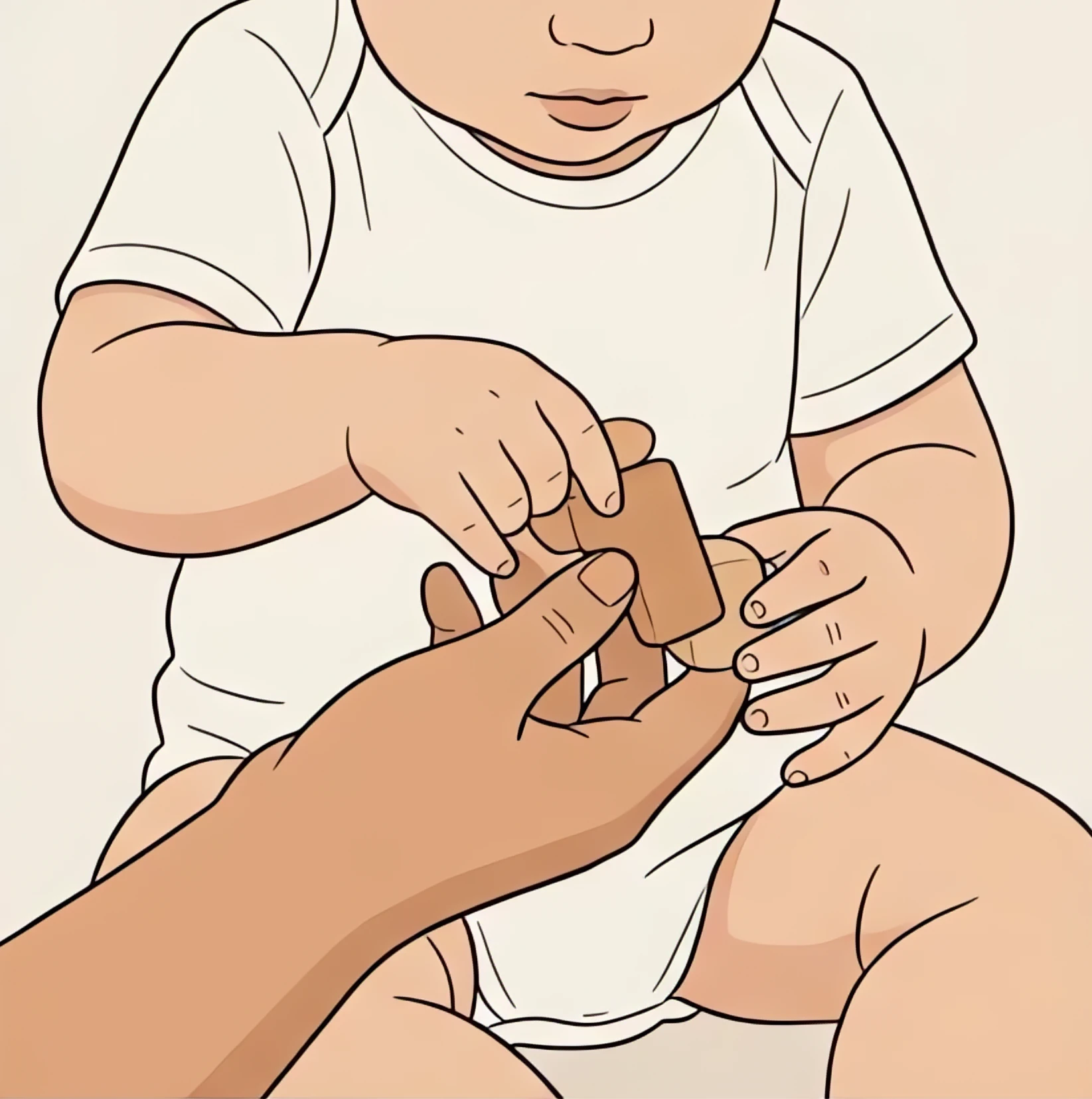
Hand coordination improves significantly. Your baby can now transfer objects from one hand to the other and bring toys to their mouth with more precision. According to the American Academy of Pediatrics developmental guidelines, this bilateral coordination is crucial for later skills like self-feeding and writing.
**6 Month Old Milestones Weight** and Growth
By six months, most babies have doubled their birth weight. A baby who weighed 7 pounds at birth typically weighs around 14 pounds by their half-birthday. The CDC growth charts show that average weight ranges from 12.5-20 pounds for 6-month-old babies, with significant individual variation being completely normal.
Length increases by about 6 inches from birth, putting most babies in the 24-27 inch range. Head circumference grows approximately 2 inches since birth, reflecting rapid brain development during these crucial early months.
Daily weight gain slows compared to the newborn months -- instead of gaining an ounce per day, babies typically gain about half an ounce daily from 3-6 months. This deceleration is normal and expected as growth rate naturally decreases.
Cognitive and Communication Milestones
Language Development
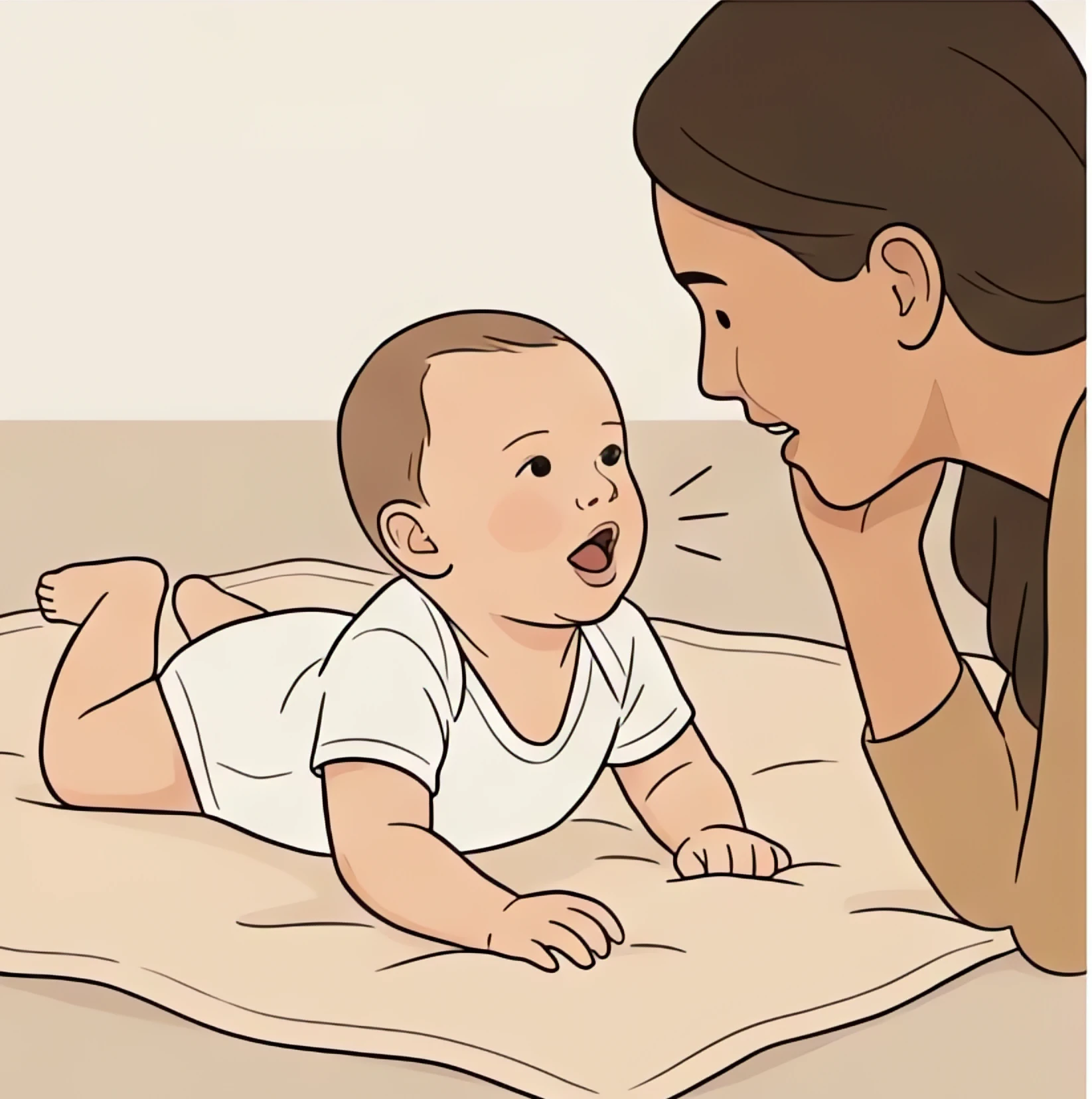
Babbling becomes more sophisticated around six months. Instead of simple vowel sounds, babies start producing consonant-vowel combinations like "ba-ba," "da-da," or "ma-ma." These aren't words yet -- babies don't understand that "mama" refers to you specifically -- but they're practicing the sound patterns of language.
Your baby shows increased responsiveness to their name, turning toward you when called (though not consistently every time). They're also beginning to understand tone of voice, often pausing or changing their expression when you speak sternly.
Vocal experimentation includes squealing, growling, and making raspberry sounds. Marcus, a father from Chicago, recalls: "Our son Leo would have full 'conversations' with his reflection in the mirror, complete with dramatic pauses and different voice inflections. It was like watching a one-man show."
The foundation for later language development is being built through responsive communication. When your baby babbles and you respond by talking back, you're teaching the back-and-forth rhythm of conversation that will become crucial for social development.
Problem-Solving and Exploration
Six-month-olds become more purposeful in their play. Instead of randomly batting at toys, they reach for specific objects and explore them systematically -- looking, touching, shaking, and inevitably bringing them to their mouth.
Cause-and-effect understanding emerges gradually. Your baby might repeatedly drop a toy to watch it fall or bang objects together to hear the sound they make. This isn't misbehavior -- it's scientific experimentation.
Memory development becomes more apparent. Your baby might show excitement when they see you preparing for activities they enjoy, like bath time or walks. They're beginning to form expectations based on past experiences.
Object exploration becomes more sophisticated. Babies this age examine toys by turning them over, transferring them between hands, and investigating different surfaces and textures with their fingers and mouth.
Social and Emotional Development
Attachment and Recognition
Six months marks the beginning of stronger attachment behaviors. Your baby clearly recognizes familiar caregivers and may show distinct preferences for certain people. They light up when favorite people enter the room and may reach toward them specifically.
Stranger awareness often emerges around this time, though full-blown stranger anxiety typically peaks later. Your baby might study new faces intently or seem more reserved around unfamiliar people compared to their earlier friendliness with everyone.
Social smiling becomes more interactive and responsive. Your baby smiles not just when content, but specifically in response to your smiles, voice, or playful interactions. These social exchanges become mini-conversations that strengthen your bond.
Emotional expression becomes more varied. Beyond basic crying and contentment, babies start showing frustration when toys are out of reach, excitement during play, and disappointment when fun activities end.
Play and Interaction
Interactive games become more engaging for both baby and caregivers. Peek-a-boo often becomes a favorite around six months, as babies begin to understand object permanence -- the concept that things continue to exist even when they can't see them.
Imitation starts to emerge. Your baby might try to copy simple sounds or facial expressions, laying groundwork for later social learning. They're also beginning to initiate interactions, reaching toward you or vocalizing to get your attention.
Playfulness becomes more obvious. Babies this age often laugh during physical play like gentle bouncing or being lifted in the air. Their sense of humor is developing, and they may find certain sounds or movements consistently funny.
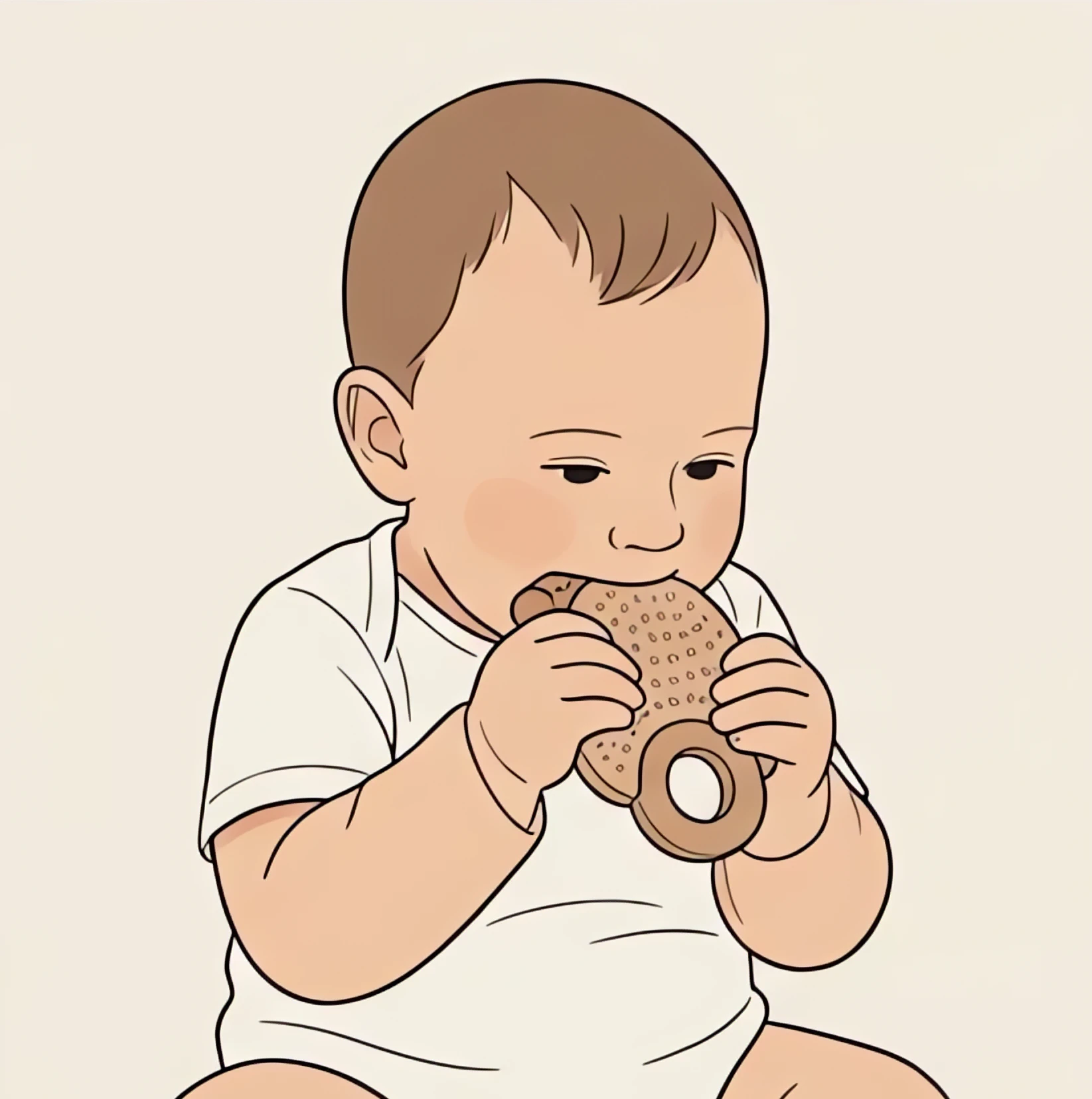
**6 Month Old Milestones Food** and Feeding
Introduction to Solid Foods
Six months is the recommended age for introducing solid foods according to both the World Health Organization and the American Academy of Pediatrics. Before this age, babies' digestive systems aren't mature enough for solids, and breast milk or formula provides complete nutrition.
Signs of readiness for solids include:
- Sitting with support
- Good head control
- Interest in food (watching you eat, reaching for your food)
- Loss of tongue-thrust reflex (no longer automatically pushing food out)
- Ability to move food to the back of the mouth and swallow
First foods should be iron-rich single ingredients offered one at a time. Many pediatricians recommend starting with iron-fortified infant cereal, pureed meats, or iron-rich vegetables like sweet potato or butternut squash.
The transition to solids is gradual. Breast milk or formula remains the primary nutrition source, with solids serving as complementary foods that gradually increase in quantity and variety over the coming months.
Feeding Patterns and Development
Nursing or bottle-feeding sessions may become more efficient as babies get better at extracting milk quickly. Many 6-month-olds can drain a bottle in 10-15 minutes or nurse effectively in 10-20 minutes per side.
Self-feeding skills begin to emerge. Babies start bringing their hands to bottles, though they can't hold them independently yet. During solid food introduction, they explore textures with their hands and may attempt to guide spoons toward their mouths.
Digestive maturation allows for longer stretches between feeds. Many babies naturally space out to feeding every 3-4 hours during the day, though individual patterns vary widely.
*Looking for personalized insights into your baby's feeding patterns? Nurture's AI-powered tracking helps you spot your unique rhythms and identify optimal timing for introducing new foods.*
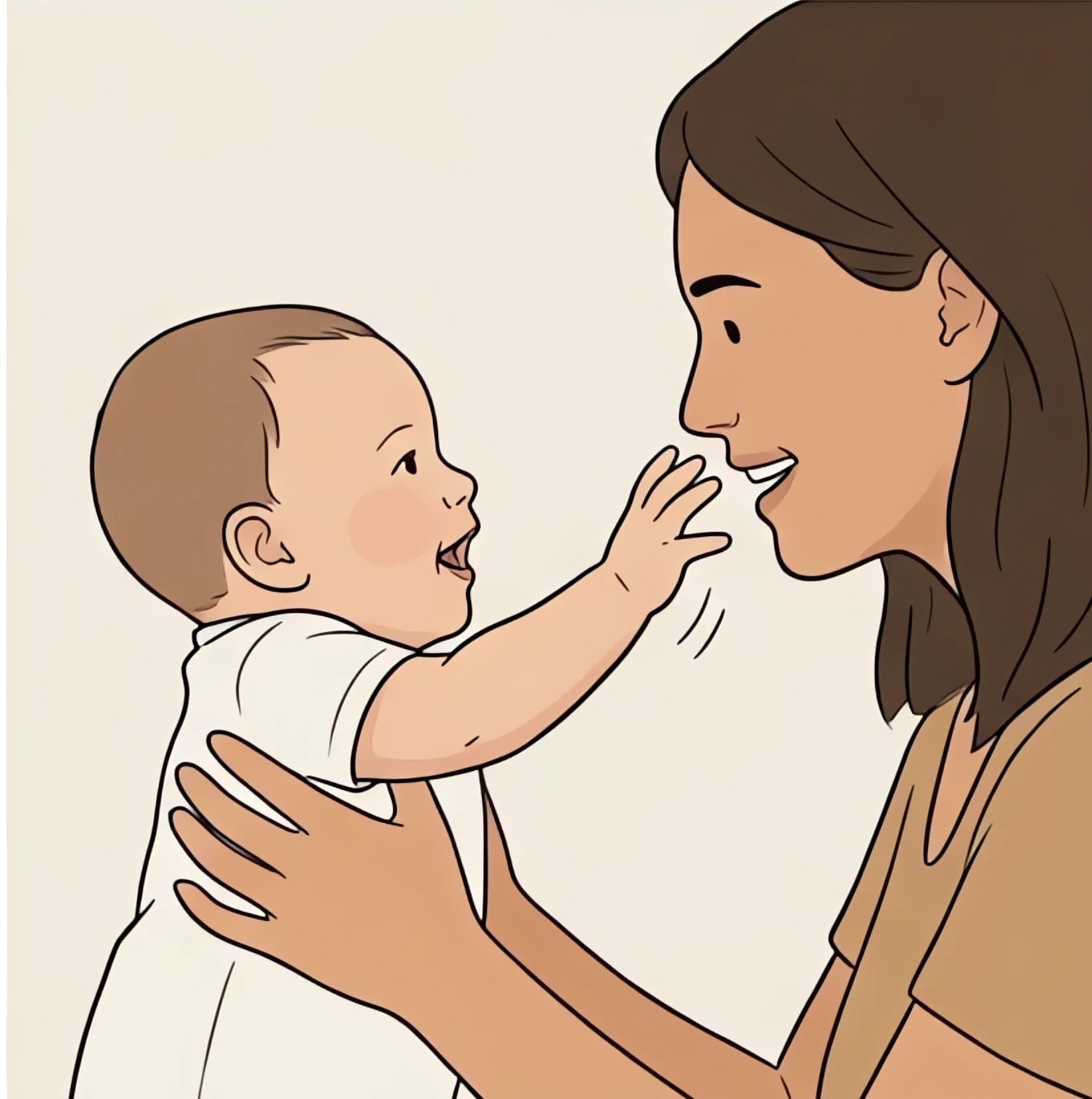
Sleep Patterns and Development at 6 Months
Sleep consolidation typically improves around six months. Many babies can sleep for 6-8 hour stretches at night, though not all babies reach this milestone on the same timeline. Night waking for feeds often decreases, especially for breastfed babies who may naturally extend their longest sleep period.
Nap patterns usually settle into a more predictable rhythm. Most 6-month-olds take 2-3 naps per day, with total daytime sleep ranging from 2-4 hours. The transition from 3 naps to 2 often happens between 6-9 months as individual naps lengthen.
Sleep regressions can occur around 6 months as cognitive development accelerates. Babies practicing new skills like rolling or sitting may wake more frequently or have difficulty settling. This is temporary and typically resolves as new skills become automatic.
Bedtime routines become more meaningful as babies develop stronger circadian rhythms and the ability to anticipate sequences. Simple, consistent routines help signal that sleep time is approaching.
Red Flags: When to Consult Your Pediatrician
While development varies widely, certain signs warrant professional evaluation. Contact your pediatrician if your 6-month-old:
Physical concerns:
- Cannot hold head steady when sitting
- Shows no weight-bearing on legs when supported
- Has very floppy or very stiff muscle tone
- Cannot bring hands to mouth
- Shows significant asymmetry in movement or posture
Communication concerns:
- Doesn't make vowel sounds or attempt babbling
- Shows no response to loud sounds
- Doesn't turn toward your voice
- Never smiles socially
- Seems unaware of caregivers vs. strangers
Social/emotional concerns:
- Shows no interest in faces or social interaction
- Doesn't laugh or show joy
- Seems consistently stiff or difficult to comfort
- Shows no curiosity about toys or environment
Remember that premature babies are assessed based on their adjusted age (corrected for how early they were born) rather than chronological age, especially during the first year.
Supporting Your Baby's Development
Creating Learning Opportunities
Tummy time remains important even as babies become more mobile. It strengthens neck, shoulder, and core muscles needed for sitting and crawling. Aim for several short sessions throughout the day when baby is alert and content.
Reading together supports language development even though babies can't understand stories yet. The rhythm and melody of your voice, combined with colorful pictures, provide rich sensory input. Board books with simple, high-contrast images work well.
Responsive interaction accelerates development across all domains. When your baby babbles, babble back. When they reach for something, name it and help them explore it. These moment-by-moment exchanges build neural pathways for communication and learning.
Safe exploration opportunities help babies practice new skills. Baby-proofed floor space allows for rolling practice. Toys of various textures satisfy their need to mouth and manipulate objects.
Age-Appropriate Toys and Activities
Six-month-olds benefit from toys that encourage bilateral coordination and cause-and-effect learning:
- Soft blocks that are easy to grasp and mouth
- Toys with different textures and sounds
- Unbreakable mirrors for social development
- Simple musical instruments like maracas or bells
- Stacking rings (though actual stacking comes later)
Interactive play becomes more rewarding. Simple games like peek-a-boo, pat-a-cake, and gentle tickling help develop social skills and emotional regulation. Your enthusiasm and engagement matter more than fancy toys.
Sensory experiences support brain development. Different textures, temperatures (within safe ranges), and gentle movements provide valuable input. Water play during bath time, various fabric textures, and safe household objects often fascinate babies more than expensive toys.
*Tracking your baby's developmental progress becomes easier with tools designed for busy parents. Nurture's milestone tracking features help you celebrate achievements and identify patterns in your baby's growth.*
Looking Ahead: What Comes Next
The 7 month milestones build on six-month achievements. Many babies begin sitting without support, develop a pincer grasp for picking up small objects, and show increased stranger wariness. Babbling often becomes more complex, incorporating multiple syllable combinations.
By 12 month old milestones, dramatic changes will have occurred. Most babies are mobile (crawling or walking), can pull to standing, use simple gestures like waving, and may say their first real words. The foundation being built at six months makes these future achievements possible.
The period between 6-12 months is often called the "mobile baby" phase as movement skills rapidly advance. Each month brings new capabilities that expand your baby's ability to explore and interact with their environment.
Creating Realistic Expectations
Remember that milestone ranges exist for good reason -- typical development spans several months for most skills. A baby who sits without support at 8 months is just as normal as one who masters it at 6 months.
Individual temperament affects how milestones appear. Cautious babies might observe extensively before attempting new movements, while bold babies dive in immediately. Both approaches are healthy variations in personality.
Family dynamics also influence development. Babies with older siblings might focus more on social skills and communication, while first babies might concentrate on motor skills. Neither path is superior -- they're different routes to the same developmental goals.
Sarah, mother of twins, noticed distinct patterns: "Emma was sitting steadily at 6 months while Oliver was still toppling over, but Oliver was much more vocal and social. By 10 months, they'd basically evened out, just taking different paths to get there."
Conclusion
The 6 month old milestones represent an exciting halfway point in your baby's first year. Physical skills like supported sitting and improved hand coordination combine with emerging social awareness and communication attempts to create a more interactive, engaging little person.
Every baby's timeline is unique, but the general progression from reflexive newborn to purposeful six-month-old follows predictable patterns. Celebrating each small achievement while maintaining perspective on the wide range of normal development helps you support your baby's growth without unnecessary stress.
The months ahead will bring even more dramatic changes as mobility increases and communication skills flourish. The strong foundation you're building now through responsive caregiving and rich interactions will serve your baby well as they continue growing and exploring their expanding world.
*Ready to track your baby's unique developmental journey? Try Nurture to spot patterns, celebrate milestones, and navigate the beautiful chaos of your baby's first year.*